
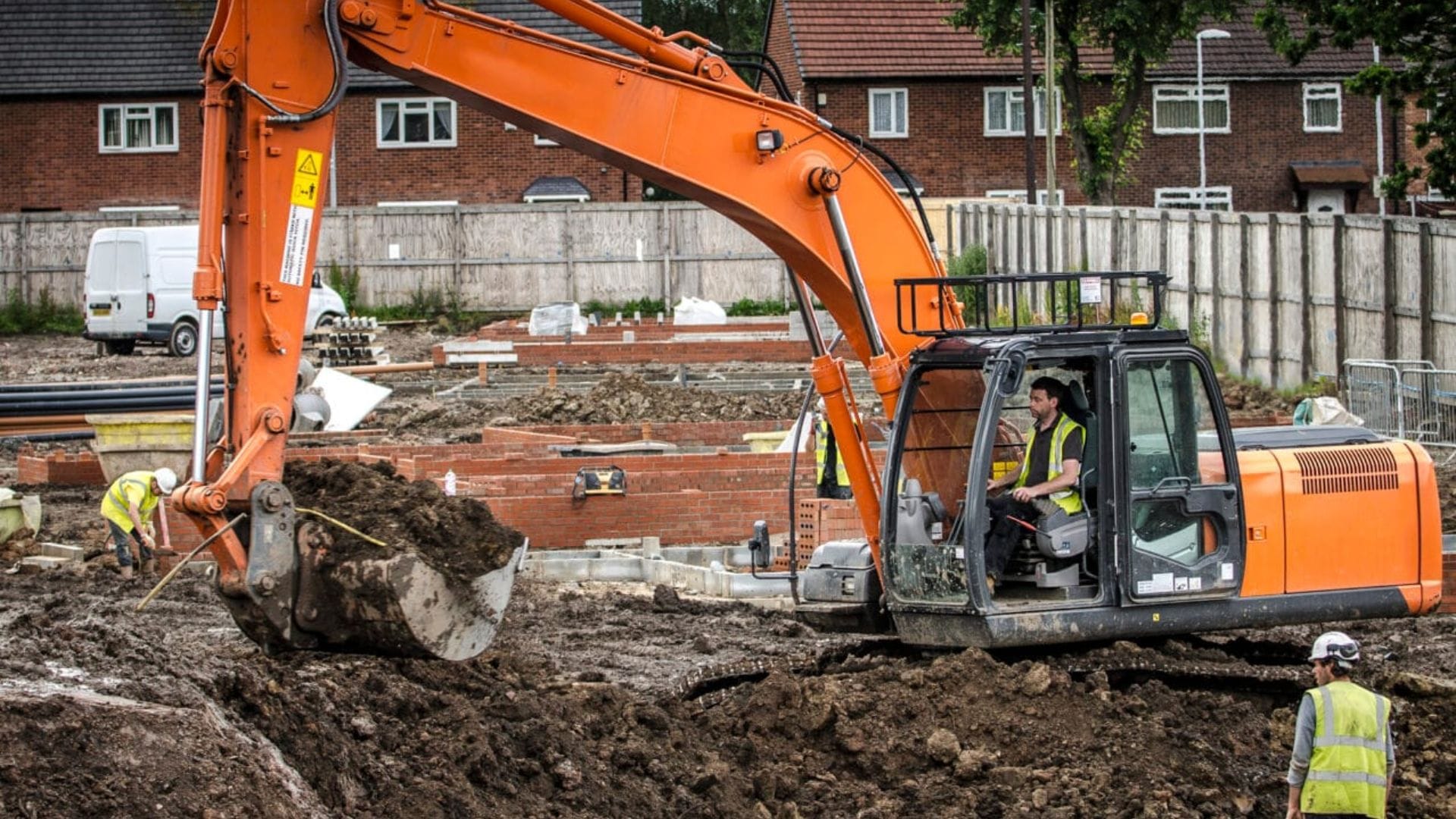
Before a construction project begins, it is essential to understand the soil texture and land condition. Whether it is a new home, commercial project, extension, or infrastructure project, a professional site inspection helps identify ground-related issues that could affect the property’s safety and foundation in the long run.
A thorough site inspection provides important information about the site’s geology, soil conditions, environmental factors, and drainage. A thorough site inspection in Hampshire is thus mandatory before starting a project. This allows engineers and architects to identify risks early and avoid costly mistakes in the long run.
Why is a professional site inspection important?
The soil conditions, groundwork, and drainage processes at each construction site are unique; hence, the sites will behave differently during construction. What appears to be a stable ground surface may conceal poor-quality soil beneath. Moreover, during the inspection, other problems such as high groundwater levels, buried obstructions that hinder the construction process, and soil contamination might be found.
During the professional inspection, the experts will assess soil quality and determine whether the land is suitable for the proposed development project. It also provides engineers with information on how to safely design projects and lay cost-effective foundations.
What happens during a site inspection?
Initial site assessment
The experts will visit the site and begin the visual assessment. They will evaluate the:
- Site’s topography
- Drainage patterns
- Presence of vegetation
- Access routes
- Visible signs of ground movement
- Instability in the foundation
The experts will also review the existing site plans, geological maps, and historical documents regarding the use of the land.
Ground investigation and soil testing
After completion of the initial assessment, ground investigation starts. Depending on the development project needs, the experts conduct:
- Borehole drilling
- Develop trial pits
- Conduct dynamic window sampling
- Focus on soil sampling
- Conduct groundwater monitoring
Once the collection is completed, the samples are sent to accredited laboratories for testing, and data regarding the following is determined:
- Composition of the soil
- Strength and moisture content of the soil
- Load-bearing capacity of the soil
These results shed light on the engineers’ work and provide the groundwork to begin development of the proposed structure.
Identification of the potential risks
During a site inspection, the experts identify potential hazards in the soil and land that can impact the construction process. Some of the common issues that get highlighted during this process are as follows:
- Weak and unstable ground conditions
- Contaminated land conditions
- Risks of flood and improper drainage
- High groundwater levels and shrinkable clay-based soil
- Buried foundations and vegetations
How does inspection help with proper foundation design?
Depending on the ground conditions, the engineers may recommend a few solutions before beginning the construction. Whether it is a single-home project or a commercial project, investing in a site inspection reduces risks and helps avoid construction issues.
For professional site inspections in Hampshire, get in touch with GeoTec Site Investigations. We provide practical ground investigation services for consultants, developers, engineers, contractors and homeowners. From sampling and probing to soakage testing, coring, inspection pits, and structural opening-up works, we provide the site information needed before design, planning, or construction moves forward.